Burn Gummy Ingredients: The 3 Actives and the Gummy Base
Each Burn Gummy has three active ingredients: berberine, chromium and cinnamon.
The amounts are 40 mg berberine HCl, 25 mcg chromium as chromium picolinate (71% DV) and 28 mg cinnamon bark extract. The base uses maltitol, xylitol, pectin, stevia and FD&C Red 40, with no caffeine listed.
What are the Burn Gummy ingredients at a glance?
Three actives do the work. Eleven other items make a chewable red gummy.
- Berberine HCl
- 40 mgPlant alkaloid, DV not established
- Chromium
- 25 mcgAs chromium picolinate, 71% DV
- Cinnamon bark extract
- 28 mgSpice extract, DV not established
- Per gummy
- 0 cal1 g total carbohydrate
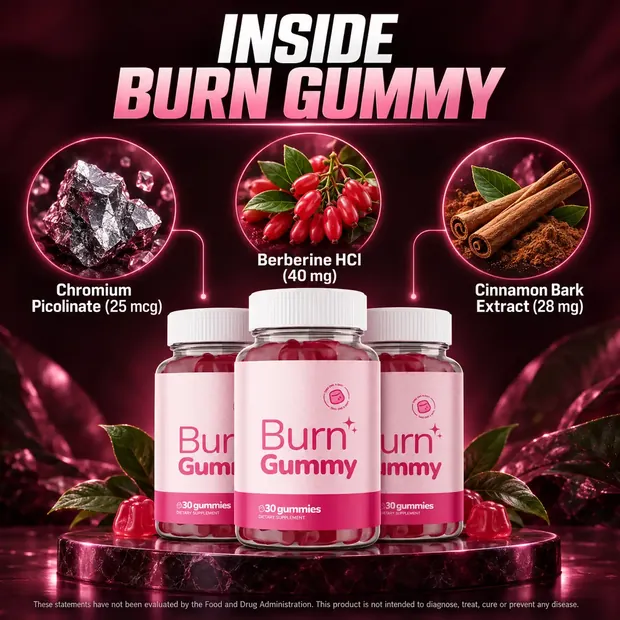
Burn Gummy has three active ingredients: berberine HCl, chromium picolinate and cinnamon bark extract. Each one has an amount printed on the label.
The rest of the list builds the gummy itself. It includes two sugar alcohols, two high-intensity sweeteners, a gelling fiber, a flour, two acid regulators, flavoring and one dye.
Every number here comes from the Burn Gummy Supplement Facts panel. We did not take any amount from ads or third-party sites.
Berberine HCl (40 mg): the largest active in Burn Gummy
A bitter yellow plant compound with the most research behind it of the three.
What berberine is
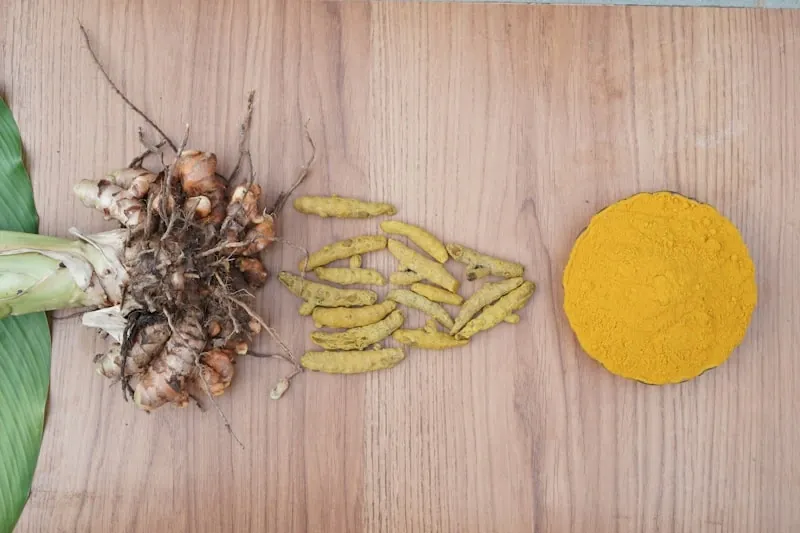
Berberine is a plant alkaloid. It gives some roots their yellow color and a sharp, bitter taste. The HCl part means it is bound to hydrochloride, a salt form that is stable and easy to measure.
It has a long history in traditional medicine in China and India. Modern interest centers on blood sugar and blood fats.
What research looked at
A review of diabetes trials found berberine lowered glucose and lipids when paired with lifestyle change (Dong et al., 2012). Those trials used 0.5 to 1.5 g a day, split into two or three doses.
Weight results are smaller and mixed. One review of 12 trials found about 2 kg more weight loss than control (Asbaghi et al., 2020). Another found no significant change in body weight (Xiong et al., 2020).
- Per gummy
- 40 mg berberine HCl
- Common plant sources
- Barberry, goldenseal, Chinese goldthread
- Daily Value
- Not established
- Main side effect in studies
- Stomach upset, such as cramps or constipation
Chromium picolinate (25 mcg): the mineral in Burn Gummy
The one active with a Daily Value, and the one closest to a normal daily intake.
What chromium is
Chromium is a trace mineral. Your body needs only tiny amounts, and most people get enough from food such as broccoli, whole grains, meat and potatoes.
Chromium picolinate is chromium bound to picolinic acid. It is the form used in most supplement trials. The NIH lists an adequate intake of 20 to 35 mcg a day for adults and a Daily Value of 35 mcg (NIH ODS, Chromium).
What research looked at
Chromium helps insulin do its job of moving glucose into cells. That is why it is studied for blood sugar and weight.
In weight trials, people took 200 to 1,000 mcg a day. A review found about 0.5 kg more weight loss than placebo, which the authors called modest (Onakpoya et al., 2013). The NIH says the clinical value of that change is uncertain (NIH ODS, Weight-loss supplements).
25 mcg per gummy
That is 71% of the 35 mcg Daily Value, so one gummy covers most of a day's need.
Picolinate form
The same form used in the weight trials, at a much lower amount.
Also in food
Broccoli, grape juice, whole wheat and potatoes add chromium to a normal diet.
Cinnamon bark extract (28 mg): the spice in Burn Gummy
A familiar kitchen spice, used here as a small extract.
What cinnamon extract is
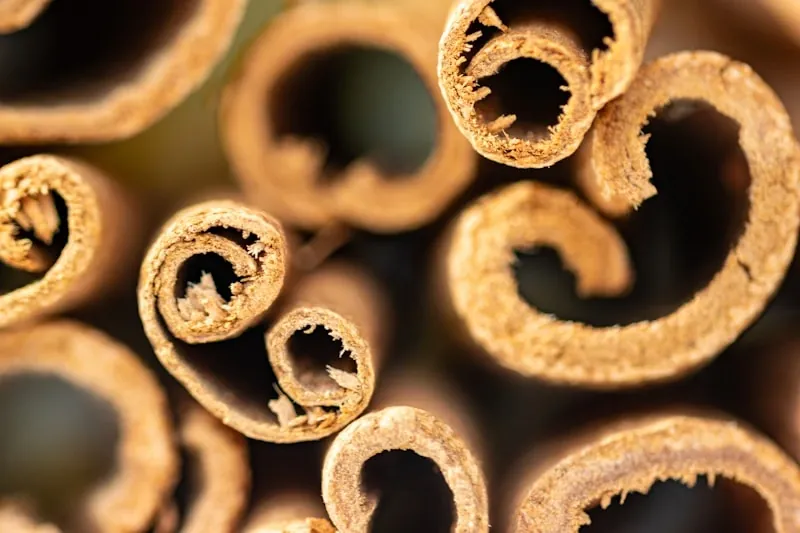
Cinnamon bark extract is a concentrate made from the dried inner bark of cinnamon trees. The label lists it by weight but does not give a species or extraction ratio.
Two types are common in stores. Ceylon cinnamon is milder. Cassia cinnamon is stronger and more widely sold in the US.
What research looked at
A review of trials in type 2 diabetes used 120 mg to 6 g of cinnamon a day for 4 to 18 weeks (Allen et al., 2013). Fasting glucose fell about 25 mg/dL on average, but HbA1c did not change significantly.
The NIH says it is still unclear whether cinnamon helps with diabetes or weight loss (NCCIH, Cinnamon). At 28 mg, the gummy holds about a quarter of the lowest study amount.
Burn Gummy ingredients vs. the doses used in research
The ingredient choices follow real research. The amounts do not.
Burn Gummy amounts per gummy compared with daily amounts in human studies
| Ingredient | Per gummy | Daily dose in studies | Share of lowest study dose |
|---|---|---|---|
| Berberine HCl | 40 mg | 0.5–1.5 g (Dong et al., 2012); weight effects mainly above 1 g for 8+ weeks (NCCIH, Berberine and weight loss) | About 8% |
| Chromium (picolinate) | 25 mcg | 200–1,000 mcg (Onakpoya et al., 2013) | About 12.5% |
| Cinnamon bark extract | 28 mg | 120 mg–6 g (Allen et al., 2013) | About 23% |
What are the other ingredients in Burn Gummy gummies?
Sweeteners, a gel, a flour, acids, flavor and one dye.
The eleven other ingredients on the Burn Gummy label, in label order
| Other ingredient | What it is | Why it is there |
|---|---|---|
| Maltitol | A sugar alcohol made from maltose | Main sweetener and bulk. It tastes like sugar with fewer calories. |
| Xylitol | A sugar alcohol found in birch and corn | Adds sweetness and a cool note. Also used in sugar-free gum. |
| Water | Plain water | Dissolves the other parts so the gummy can be cooked and set. |
| Pectin | A soluble fiber from fruit peel | The gelling agent that gives the gummy its chew. |
| Rice flour | Finely milled rice | Helps with texture and keeps pieces from sticking together. |
| Citric acid | The acid in lemons and limes | Adds tartness and helps the pectin set. |
| Acesulfame K | A zero-calorie high-intensity sweetener | Boosts sweetness without sugar. |
| Stevia leaf extract | A sweet extract from the stevia plant | A second zero-calorie sweetener to round out the taste. |
| Sodium citrate | The sodium salt of citric acid | Controls acidity so the gel sets evenly. |
| Natural flavoring | Flavor from natural sources, not itemized | Gives the fruit taste and helps mask bitter berberine. |
| FD&C Red 40 | A synthetic food dye | Makes the gummy red. |
Two items deserve a closer look. Maltitol and xylitol are sugar alcohols, and larger amounts can cause gas or loose stools in some people (Lenhart & Chey, 2017). One gummy holds far less than the amounts linked to symptoms, but sensitive stomachs may still notice. Our guide to maltitol and xylitol explains more.
Xylitol is also toxic to dogs, even in small amounts. Store the bottle where pets cannot reach it, and call a vet at once if a dog eats any.
What is not in Burn Gummy?
Many products sold as thermogenic lean on stimulants. This label does not list any.
No caffeine listed
Caffeine is not on the panel, so the gummy should not feel like coffee.
No stimulants listed
No green tea extract, guarana, synephrine or yohimbine appears on the label.
No sugar listed
Sweetness comes from maltitol, xylitol, acesulfame K and stevia, not table sugar.
No gelatin listed
Pectin, a fruit fiber, sets the gummy instead of animal gelatin.
No proprietary blend
Each active has its own amount, so you can compare it with research.
No sleep aids
Nothing on the panel is meant to relax or sedate you.
How can you use the Burn Gummy ingredients list?
Three quick checks before your first gummy.
Check your medicines
Show the three actives to your pharmacist. Berberine interacts with many drugs, and it and chromium can add to diabetes medicine.
Check your sensitivities
Scan the other ingredients for sugar alcohols and FD&C Red 40 if either has bothered you before.
Set fair expectations
Compare the doses with the research table above before you judge results.
The list is short enough to check in a minute. For daily directions, see how to take Burn Gummy. For a plain look at possible reactions, read the Burn Gummy side effects page.
If anything on the label is unclear, the order desk at +1 (855) 482-1597 can pass questions to the supplier.
Burn Gummy ingredients questions
What are the active Burn Gummy ingredients?
There are three. Each gummy holds 40 mg of berberine HCl, 25 mcg of chromium as chromium picolinate and 28 mg of cinnamon bark extract. Everything else on the label is there to make, sweeten, flavor or color the gummy.
Does Burn Gummy contain caffeine?
No caffeine appears on the label. No other stimulant is listed either, such as green tea extract, guarana or synephrine. The morning timing on the label is a routine tip, not a sign of a stimulant.
Is Burn Gummy sugar-free?
Sugar is not on the ingredient list. The gummy is sweetened with maltitol, xylitol, acesulfame K and stevia leaf extract. The panel shows 0 calories and 1 g of total carbohydrate per gummy.
Does Burn Gummy use gelatin?
Gelatin is not listed. The gummy is set with pectin, a fiber taken from fruit. If you follow a strict diet, show the full label to your doctor or check it against your own rules.
Which kind of cinnamon is in Burn Gummy?
The label says cinnamon bark extract and does not name the species. Ceylon and cassia are the two common types. You can ask the order desk at +1 (855) 482-1597 whether they have more detail.
Why is the berberine dose only 40 mg?
A gummy is small, and berberine tastes very bitter, so only a little fits in one piece. Studies used 500 to 1,500 mg a day. The label says one gummy a day, and you should not take more to chase the study amount.
What does FD&C Red 40 do in the gummy?
It is a synthetic food dye that gives the gummy its red color. It adds nothing to the formula's purpose. It is approved for food use in the US, but some people choose to avoid it.
Is chromium picolinate a common form of chromium?
Yes. It is the form used in most chromium supplement studies, including the weight trials reviewed by the NIH. It is chromium bound to picolinic acid, which helps the body take it in.
Ready to try Burn Gummy?
Order from the U.S. authorized merchant, keep your order email, and you are covered by the 60-day money-back guarantee. Questions first? Call +1 (855) 482-1597.
Keep reading
Supplement Facts
Every line of the label transcribed, with %DV, footnotes and carbs explained.
Read more →How it works
What each ingredient is studied for, why fat burning is not shown, and the dose gap.
Read more →Berberine dose explained
How 40 mg of berberine per gummy compares with the 0.5 to 1.5 g a day used in studies.
Read more →
